

The company is committed to implementing integrated internal policies that align with best practices and approved standards in corporate governance, ensuring an effective regulatory and oversight framework that promotes transparency and integrity at all administrative and operational levels.
These policies focus on establishing the principles of accountability and responsibility in decision-making, ensuring clarity of roles and the distribution of powers, and promoting the principle of accurate, clear, and timely disclosure of material information. These policies also aim to balance the interests of various stakeholders, including shareholders, the Board of Directors, executive management, employees, customers, and regulatory bodies, by building a work environment based on trust and compliance with relevant laws and regulations.
Through this approach, the company seeks to support business sustainability, achieve long-term growth, generate added value that contributes to achieving strategic objectives, and enhances corporate reputation over the long term.

The company has developed its governance systems in line with the Corporate Governance Regulations, which set the rules and standards governing corporate governance. This aims to adhere to best practices and develop a comprehensive Kadana governance manual that takes into account regulatory requirements.
This manual serves as the approved reference framework for managing operational, financial, and administrative processes efficiently and effectively. It seeks to:
Enhance compliance with relevant legislation and regulations.
Raise the level of transparency and credibility in providing information to all stakeholders.

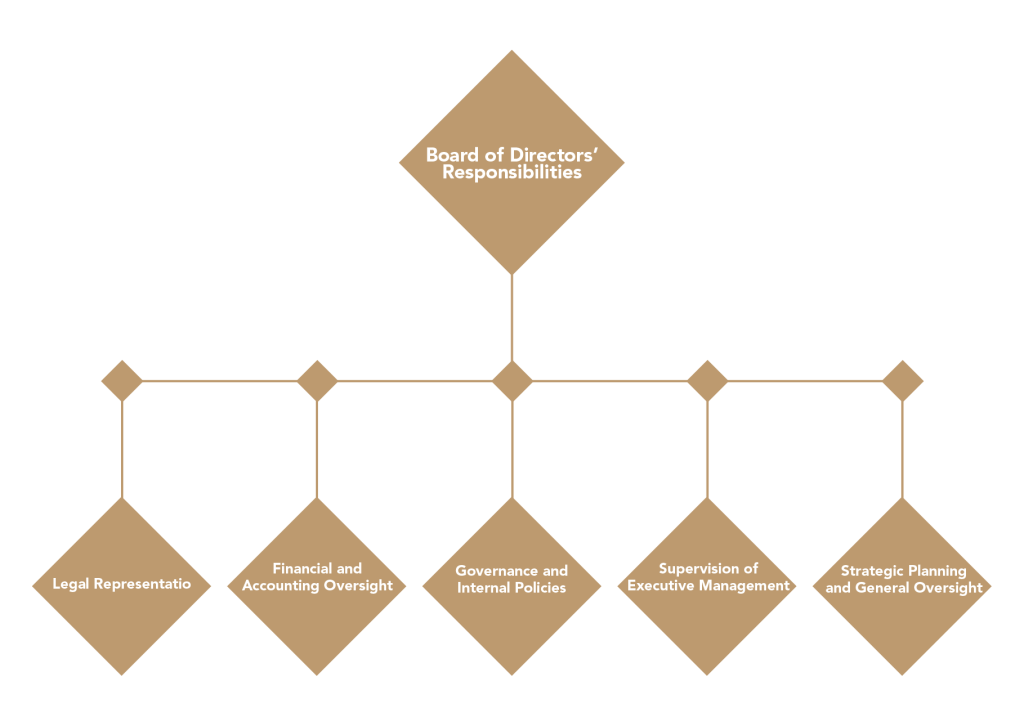
The company is managed by a Board of Directors consisting of (9) members, appointed by the General Assembly for a period of four years. The Board enjoys the broadest powers in managing the company and undertakes a number of essential tasks and responsibilities that ensure guiding the company towards achieving its strategic objectives.
Among the most prominent of these tasks:
First: Strategic Planning and General Supervision
Developing strategic plans, general policies, and the company’s main objectives, supervising the implementation of these plans, reviewing them periodically, and ensuring the availability of the human and financial resources necessary to achieve the strategic goals.
Second: Supervision of Executive Management
Supervising the performance of the executive management, organizing its work, monitoring it, ensuring its compliance with the policies approved by the Board, appointing the CEO, defining his authorities and remuneration, monitoring his performance, appointing the Board Secretary, and holding periodic meetings with the executive management to evaluate performance and provide the necessary guidance.
Third: Governance and Internal Policies
Establishing internal policies for managing the company, preparing the company’s governance rules in compliance with applicable regulations, and periodically reviewing and updating the organizational structure and the operating model of the company.
Fourth: Financial and Accounting Oversight
Reviewing and approving the annual financial statements and interim reports (if any), and approving the company’s financial position in accordance with the approved accounting standards.
Approving the internal control system, following up on its implementation, and approving the annual budget.
Fifth: Legal Representation
Representing the company before official, governmental, and private entities, as well as in all legal and administrative dealings.
The Audit Committee represents the primary responsibility for overseeing the accuracy and integrity of the company’s financial reports, monitoring the work of internal and external audits, ensuring compliance with relevant laws and regulations, in addition to monitoring the company’s commitment to disclosure and transparency, reporting cases of corruption, evaluating adopted policies and procedures, and risk management strategies.
The committee’s tasks include the following:
The primary role of the Remuneration and Nominations Committee is to oversee the company’s reward policies and procedures, ensuring fairness, motivation, and enhancement of institutional performance. This is achieved by establishing regulatory frameworks for compensation and reviewing them periodically to ensure alignment with the company’s objectives and strategy.
The committee also leads the processes of nominating and appointing members of the Board of Directors by developing precise nomination criteria that ensure competence and diversity, while meeting the requirements of effective governance.
The committee’s responsibilities include reviewing the annual compensation plans for Board members and senior executives, ensuring their independence, evaluating candidates, and providing appropriate recommendations regarding them. The committee is also concerned with assessing the structure of the Board and the formation of its committees, ensuring their suitability to achieve a balance of expertise and specializations, thereby enhancing the effectiveness of corporate governance and the sustainability of the company’s performance.
The Executive Committee is one of the committees established by the Board of Directors, and it aims to support the Board in performing its responsibilities by monitoring strategic, operational, and administrative affairs, and ensuring the efficiency of business operations in line with the company’s objectives. The committee undertakes the following tasks:
This policy aims to regulate the process of selecting and appointing members of the Board of Directors, and to ensure the existence of a governance framework that achieves efficiency, diversity, and independence, thereby supporting the effectiveness of the Board’s performance and its responsibility in strategic guidance and oversight. The following summarizes the objectives of this policy:
This policy aims to outline the principles and procedures governing cases of conflict of interest, which include the company owner, members of the Board of Directors, its committees, senior executives, employees, external auditors, advisors, and other stakeholders as needed. This policy is issued in line with the company’s commitment to applying the highest standards of transparency and accountability, and ensuring compliance with relevant legal and regulatory requirements.
The policy aims to:
Kidana Company has prepared an organizational document to be concluded with a number of relevant regulatory authorities, aiming to coordinate roles, integrate oversight efforts, and exchange information related to supervision. This enhances the efficiency and effectiveness of regulatory work and prevents duplication or conflicts of authority among different regulatory bodies, whether in the public or private sector.
This charter aims to:
This charter affirms Kadana Company’s commitment to applying the highest professional and ethical standards in all its dealings. It serves as a fundamental reference for employee conduct at all levels, fostering a culture of integrity, transparency, and accountability.
The charter is based on a set of core principles that all employees must adhere to, as follows:
Honesty and Dedication in Performing Duties:
Full commitment to the provisions of this charter, working with dedication and professionalism to serve the company’s interests and objectives.
Avoiding Conflicts of Interest:
Refraining from engaging in any relationships or practices that may result in an actual or potential conflict between personal interests and the company’s interests, or that may give the appearance of such a conflict.
Maintaining Confidentiality of Information:
Fully respecting the confidentiality of all information accessed during work, and not using it for personal purposes or disclosing it without official authorization.
Protecting the Company’s Reputation:
Acting in a manner consistent with the company’s corporate values, avoiding any behavior or activity that could harm the company’s or its employees’ reputation, or cast doubt on their integrity.
Integrity in Using Company Assets:
Handling the company’s property and assets responsibly and honestly, and using them only for authorized purposes related to work.
Kidana is committed to applying the highest professional and ethical standards, thereby enhancing the protection of the company’s value and upholding the principles of justice, integrity, transparency, fairness, and responsibility in all its activities and operations. Through this policy, the company seeks to promote a work environment based on trust and transparency, enabling individuals to report any illegal practices or violations of approved policies and standards without fear of retaliation or infringement of their rights. This policy provides employees and stakeholders with full assurance that they can approach the relevant entities within the company to report any actions suspected of being:
All reports are received and handled with strict confidentiality, and the whistleblower’s identity will not be disclosed except with their consent or as required by law. The company is committed to taking no retaliatory actions against anyone who reports a violation in good faith. All credible reports will be investigated, and corrective measures will be taken if the violation is confirmed.

Reports can be submitted through the following channels:
Via email: whistleblowing@kidana.com.sa
Through the company’s official website:
www.kidana.com.sa
The Cybersecurity Department at Kidana aims to protect the company’s cyberspace by achieving the highest levels of confidentiality, integrity, and availability, and ensuring the protection of data from unauthorized access, use, disclosure, or loss.
Kidana, represented by its Cybersecurity Department, is committed to applying the highest standards of security and confidentiality by adhering to cybersecurity regulations and directives issued by relevant authorities.
Kidana recognizes the importance of privacy and the protection of personal data in the digital age and is committed to safeguarding it in accordance with best practices. This includes ensuring transparency in its collection, storage, and use, whether while browsing the company’s website or using any of its digital services.
The Compliance Department in the company aims to ensure that the company and its employees comply with all relevant laws, regulations, and legislations, and to minimize legal and regulatory risks, thereby enhancing corporate reputation and achieving business sustainability.
The department’s work is based on the following pillars:
Legislative Compliance:
Ensuring compliance with national laws and regulations governing the company’s operations.
Internal Policies and Procedures:
Developing and implementing clear policies that ensure discipline and compliance within the company.
Awareness and Training:
Raising employees’ awareness of compliance principles, work ethics, and relevant legislations.
Monitoring and Follow-up:
Monitoring compliance through periodic audits and analyzing risks of non-compliance.
Reporting Channels:
Providing a safe and confidential mechanism for reporting violations and breaches.
Disclosure and Transparency:
Communicating with regulatory authorities and disclosing any violations as per regulatory requirements.
Program Review and Update:
Conducting regular reviews of the compliance program and updating it based on regulatory and legislative changes, with a focus on continuous improvement.